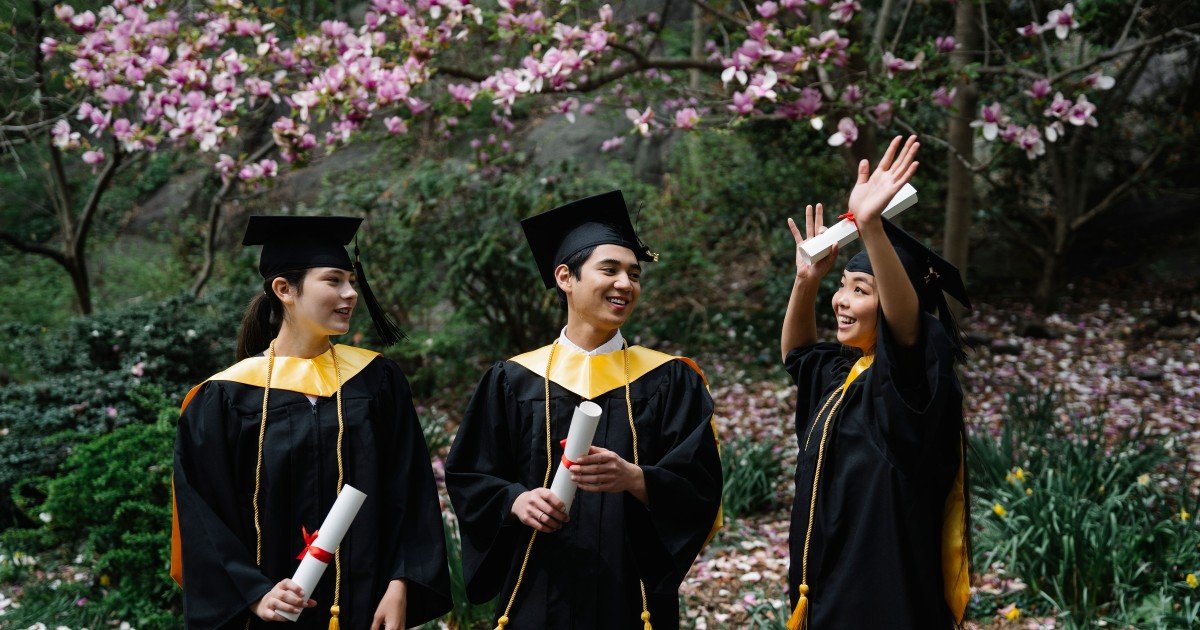
Education is one of the few investments that continues to create value throughout a person’s life. How does education change a person’s future opportunities? It expands career choices, develops practical and critical thinking skills, increases confidence, improves earning potential, strengthens decision-making, and opens doors that might otherwise remain closed. Whether someone dreams of becoming an entrepreneur, engineer, artist, healthcare professional, skilled technician, or community leader, education provides the knowledge and abilities needed to pursue those ambitions with greater confidence.
In today’s rapidly changing world, opportunities are no longer created only by academic degrees. They also come from vocational training, digital literacy, lifelong learning, creativity, communication, and the willingness to continuously develop new skills. Education prepares people not only for their first job but for a lifetime of adapting to new industries, technologies, and challenges.
This comprehensive guide explores the many ways education transforms future opportunities, from personal growth and employment to innovation, financial stability, and social mobility.
Understanding What Future Opportunities Really Mean
Future opportunities are the possibilities available to a person throughout life. These opportunities include much more than getting a job. They involve access to education, professional growth, entrepreneurship, leadership, financial independence, meaningful relationships, and the ability to contribute positively to society.
When people think of opportunity, they often imagine career success. While employment is important, education also influences opportunities such as:
- Higher education and scholarships
- Better career pathways
- Business ownership
- Professional networking
- Personal confidence
- Leadership roles
- Global career mobility
- Digital opportunities
- Community participation
- Lifelong learning
The stronger a person’s educational foundation, the greater their ability to recognize and create opportunities rather than simply waiting for them.
Why Education Is More Than Classroom Learning
Education is often associated with schools and universities, but genuine learning happens throughout life. A person learns from books, mentors, workplaces, online courses, travel, community experiences, and everyday problem-solving.
Modern education includes:
- Formal schooling
- Vocational education
- Technical training
- Apprenticeships
- Professional certifications
- Online learning
- Self-directed study
- Workplace learning
This broader understanding is important because the future workforce increasingly values practical skills alongside academic qualifications.
How Education Creates Better Career Opportunities
One of the most obvious ways education changes future opportunities is by expanding career choices.
Many professions require specialized knowledge. Healthcare, engineering, architecture, teaching, law, finance, information technology, aviation, and scientific research all depend on structured education. Even careers that do not require university degrees often require technical or vocational training.
Education Helps You Qualify for More Roles
Employers generally look for people who can demonstrate knowledge, skills, and the ability to learn. Education helps individuals develop competencies such as:
- Communication
- Mathematics
- Digital literacy
- Writing
- Research
- Teamwork
- Problem-solving
- Time management
- Professional ethics
These abilities make candidates more adaptable across different industries.
Skills Matter as Much as Degrees
In 2026, employers increasingly value practical abilities alongside qualifications. Someone with strong technical skills, excellent communication, and continuous learning habits may remain highly competitive even as industries evolve.
The future belongs to learners who keep developing their skills.
Education Builds Confidence to Pursue Bigger Goals
Confidence rarely appears overnight. It grows through learning, practice, and achievement.
Imagine someone who once struggled to speak publicly. Through education, presentations, discussions, and collaborative projects gradually become less intimidating. Over time, that person becomes capable of leading meetings, presenting ideas, and interviewing for competitive roles.
Education creates confidence by helping people realize:
- They can solve problems.
- They can learn difficult concepts.
- They can communicate effectively.
- They can adapt after mistakes.
- They can achieve long-term goals.
This confidence often influences opportunities just as much as technical knowledge.
Learning Reduces Fear of the Unknown
People are more likely to pursue ambitious opportunities when they believe they can learn new things. Education teaches an important mindset:
“I may not know this yet, but I can learn it.”
That mindset becomes valuable throughout life.
Education Improves Decision-Making
Every major life decision depends on information.
Choosing a career, comparing universities, starting a business, managing finances, understanding contracts, evaluating health information, or learning new technology all require thoughtful decision-making.
Education strengthens these abilities by encouraging people to ask questions such as:
- What evidence supports this claim?
- What are the long-term consequences?
- Are there better alternatives?
- What risks should I consider?
- Is this information reliable?
Rather than reacting impulsively, educated individuals often have stronger tools for evaluating options.
Education Develops Problem-Solving Skills
The future rewards people who can solve meaningful problems.
Every workplace encounters challenges:
- Customer complaints
- Technical failures
- Budget limitations
- Supply chain issues
- Team conflicts
- Creative obstacles
- Process inefficiencies
Education teaches people to approach these situations systematically instead of emotionally.
A practical framework often includes:
- Identify the problem.
- Gather information.
- Analyze possible causes.
- Compare solutions.
- Test the best approach.
- Learn from the outcome.
Developing this mindset creates opportunities across nearly every profession.
If you want to strengthen this valuable ability, explore this practical guide on developing better problem-solving skills .
Education and Higher Income Potential
Education is often connected with earning potential, but the relationship is more nuanced than simply “more education equals more money.”
Income depends on many factors:
- Industry
- Skills
- Experience
- Location
- Economic conditions
- Demand for expertise
- Professional performance
However, education can increase access to occupations that require specialized knowledge and typically offer greater advancement opportunities.
Financial Literacy Is Also Education
Future opportunities improve not only through earning money but through managing it wisely.
Educational experiences can introduce concepts such as:
- Budgeting
- Saving
- Investing
- Tax basics
- Entrepreneurship
- Responsible borrowing
- Long-term financial planning
Financial knowledge helps people make more informed economic decisions throughout adulthood.
Education Opens the Door to Entrepreneurship
Not everyone dreams of working for someone else.
Many future opportunities come from creating businesses rather than joining existing ones.
Education supports entrepreneurship by developing skills in:
- Business planning
- Marketing
- Communication
- Accounting
- Customer research
- Technology
- Leadership
- Innovation
A successful entrepreneur usually solves a problem rather than simply selling a product.
Education encourages that problem-solving mindset.
Entrepreneurs Never Stop Learning
Business environments constantly change. New technologies, customer expectations, regulations, and competitors require continuous learning.
Education therefore becomes an ongoing competitive advantage rather than a one-time achievement.
Digital Education Creates Global Opportunities
The internet has transformed opportunity.
Today, someone living in a small town can learn programming, graphic design, content creation, language skills, digital marketing, video editing, data analysis, or AI tools through online education.
This has created entirely new career pathways.
Examples of Digital Opportunities
- Remote work
- Freelancing
- Online teaching
- Content creation
- Software development
- Virtual assistance
- UX/UI design
- Digital consulting
- E-commerce
- AI-assisted productivity roles
Digital education allows people to compete in global markets rather than only local job markets.
Education Encourages Lifelong Learning
One of the greatest opportunities education creates is the ability to continue learning throughout life.
Industries evolve quickly.
A professional who graduated ten years ago may now need to understand artificial intelligence, cloud computing, sustainability, automation, or data literacy.
Lifelong learners remain adaptable because they do not view education as something that ended after graduation.
A Simple Lifelong Learning Routine
Consider dedicating just a few hours each week to learning:
| Day | Learning Focus |
|---|---|
| Monday | Industry news |
| Tuesday | Professional skill |
| Wednesday | Reading or research |
| Thursday | Technology tools |
| Friday | Communication practice |
| Weekend | Reflection and projects |
Small, consistent learning habits often produce remarkable long-term growth.
Education Improves Communication Skills
Ideas create opportunities only when people can communicate them.
Education helps individuals become better at:
- Writing emails
- Giving presentations
- Negotiating
- Active listening
- Public speaking
- Professional conversations
- Storytelling
- Cross-cultural communication
Strong communication frequently separates capable professionals from outstanding leaders.
Listening Is Part of Communication
Many people focus on speaking, but listening creates opportunities too.
Understanding colleagues, customers, clients, and communities helps people solve problems more effectively.
Education Strengthens Critical Thinking
The future belongs to people who can think independently.
Modern society produces enormous amounts of information every day. News articles, videos, AI-generated content, advertisements, podcasts, and social media all compete for attention.
Education helps people distinguish between:
- Facts and opinions
- Evidence and assumptions
- Reliable sources and misinformation
- Correlation and causation
- Emotional persuasion and logical reasoning
These abilities improve academic success, workplace performance, and everyday decision-making.
For readers interested in developing structured reasoning, this guide on logical reasoning and how it works offers valuable insights.
Education Expands Social and Professional Networks
Opportunities often emerge through relationships.
Schools, colleges, training programs, workshops, conferences, internships, and community projects introduce people to mentors and collaborators.
These connections can lead to:
- Internships
- Job referrals
- Business partnerships
- Research opportunities
- Mentorship
- Collaborative projects
- Professional communities
Networking is not about collecting contacts.
It is about building genuine professional relationships based on shared learning and mutual respect.
Education Creates Opportunities Beyond Employment
Success is not defined only by a paycheck.
Education also creates opportunities to:
- Volunteer effectively
- Lead community projects
- Participate in civic life
- Mentor younger students
- Contribute to environmental initiatives
- Support local businesses
- Advocate for positive change
- Create educational content
- Inspire future generations
These opportunities improve both individual fulfillment and community development.
Education Supports Creativity and Innovation
Creativity is often misunderstood as something limited to artists.
In reality, innovation appears in every field.
A teacher designs better learning experiences.
A nurse improves patient communication.
A farmer adopts smarter irrigation methods.
An engineer develops sustainable technology.
A designer creates accessible products.
Education provides knowledge that creativity can build upon.
Innovation Begins With Curiosity
Many breakthrough ideas begin with simple questions:
- Why is this process inefficient?
- Can this product be improved?
- Is there a better solution?
- What problem are people facing?
Curiosity fuels innovation.
If you enjoy exploring how curiosity strengthens learning, read how curiosity improves the learning process for deeper insights.
Education Helps People Adapt to a Changing Future
Perhaps the greatest opportunity education creates is adaptability.
Many jobs that exist today did not exist twenty years ago.
Likewise, future careers may involve technologies and industries that are only beginning to emerge.
Rather than preparing students for one lifelong occupation, modern education increasingly prepares them to:
- Learn continuously
- Use new technologies
- Collaborate across disciplines
- Solve unfamiliar problems
- Communicate globally
- Think creatively
- Adapt professionally
Adaptability may become one of the most valuable career skills of the coming decades.
Different Learning Paths Lead to Different Opportunities
Not everyone learns the same way, and that is perfectly normal.
Some people excel through:
- Visual learning
- Practical projects
- Technical workshops
- Apprenticeships
- Reading
- Discussion
- Independent study
- Digital courses
Recognizing learning differences helps people choose educational paths that match their strengths rather than comparing themselves unfairly with others.
Learn more about this important topic in understanding why different people learn in different ways .
Barriers That Can Limit Future Opportunities
Education creates possibilities, but challenges still exist.
Some common barriers include:
Limited Access
Geography, financial constraints, disability, or infrastructure may reduce educational opportunities.
Lack of Digital Skills
As workplaces become more digital, technology literacy becomes increasingly important.
Fear of Failure
Many people avoid opportunities because they believe they are “not smart enough.” Education should encourage growth rather than perfection.
Outdated Skills
Continuous learning helps professionals remain relevant in changing industries.
Recognizing these barriers allows individuals and communities to develop better support systems.
Practical Ways to Use Education to Create Better Opportunities
You do not need to wait for perfect circumstances to strengthen your future.
Here are practical strategies:
Build One New Skill Every Six Months
Choose a skill that complements your goals, such as writing, coding, public speaking, AI tools, design, or financial literacy.
Read Beyond Your Profession
Broad knowledge often leads to unexpected ideas and better decision-making.
Create Real Projects
Apply learning by building portfolios, websites, presentations, research summaries, or creative work.
Seek Mentors
Learning accelerates when guided by experienced professionals.
Stay Curious
Curiosity transforms education from an obligation into a lifelong opportunity.
Frequently Asked Questions
How does education change a person’s future opportunities?
Education changes future opportunities by developing knowledge, practical skills, confidence, communication, critical thinking, and adaptability, all of which expand career and personal possibilities.
Why is education important for career success?
Education prepares individuals with technical expertise and transferable skills that help them qualify for diverse professions and adapt to changing workplace demands.
Can education improve earning potential?
Education can increase access to occupations requiring specialized knowledge and skills, although income also depends on experience, industry, location, and economic conditions.
Does education help entrepreneurs?
Yes. Education supports entrepreneurship through business knowledge, communication, financial literacy, research, leadership, and problem-solving abilities.
Why is lifelong learning important?
Industries and technologies continue to evolve. Lifelong learning helps professionals remain competitive and adaptable throughout their careers.
How does education build confidence?
Learning helps people overcome challenges, communicate effectively, solve problems, and believe in their ability to master new skills.
What role does digital education play in 2026?
Digital education expands access to global careers, remote work, online entrepreneurship, AI tools, technical skills, and continuous professional development.
Can vocational education create strong career opportunities?
Absolutely. Vocational and technical education prepares individuals for skilled professions that are essential across industries and often offer excellent career growth.
Does education improve decision-making?
Yes. Education encourages evidence-based thinking, logical reasoning, research skills, and informed choices in both professional and personal life.
Is formal education the only path to success?
No. Formal education, vocational training, online learning, apprenticeships, certifications, and self-directed learning can all contribute to meaningful future opportunities.
Conclusion
So, how does education change a person’s future opportunities? It changes them by expanding what a person is capable of becoming.
Education provides more than certificates or degrees. It develops confidence to pursue ambitious goals, skills to solve real-world problems, knowledge to make informed decisions, and adaptability to thrive in changing industries. It creates opportunities in employment, entrepreneurship, leadership, technology, community service, and lifelong personal growth.
In 2026, the most valuable learners are not those who know everything—they are the ones who know how to keep learning. As artificial intelligence, digital transformation, and global collaboration reshape careers, continuous education becomes one of the strongest long-term advantages anyone can build.
Whether you are a student planning your future, a professional seeking career growth, or someone exploring a new direction in life, remember that every meaningful learning experience adds another opportunity to your future.
Education does not simply prepare people for tomorrow.
It empowers them to create tomorrow.
Informational Disclaimer: This article is intended for general educational and informational purposes only. Educational outcomes and future opportunities vary depending on individual effort, access to resources, economic conditions, and personal circumstances. Education is a powerful foundation, but it is one of several factors that influence long-term success.ChatGPT
Option 2
How Does Education Change a Person’s Future Opportunities? A Complete Guide to Lifelong Success
High-CTR Blog Title Options
- How Does Education Change a Person’s Future Opportunities?
- How Education Creates Better Career and Life Opportunities
- How Learning Opens Doors to a Better Future
SEO Title Tag: How Education Changes Future Opportunities
Meta Description: Discover how education changes a person’s future opportunities through better careers, higher income potential, lifelong learning, confidence, and personal growth.
How does education change a person’s future opportunities? It changes them by expanding knowledge, building practical skills, increasing career possibilities, strengthening confidence, improving decision-making, and helping people adapt to a rapidly changing world. Education is much more than earning a certificate or passing an exam. It creates opportunities that can influence employment, entrepreneurship, financial stability, lifelong learning, and personal development for years to come.
Think about two people standing at the beginning of adulthood. Neither knows exactly what the future holds. One has developed strong reading, communication, digital, and problem-solving skills through meaningful education. The other has had fewer chances to build those abilities. Their futures are not predetermined, but the range of opportunities available to them may look very different.
That is why education matters.
It does not guarantee success, wealth, or happiness. Life is shaped by many factors, including family, health, economic conditions, personal choices, and unexpected events. However, education gives people valuable tools that help them recognize opportunities, prepare for challenges, and continue learning as the world changes.
In 2026, when technology, artificial intelligence, and evolving industries are transforming workplaces, education has become less about memorizing information and more about developing the ability to learn throughout life. Understanding this shift helps explain why education continues to play such an important role in shaping future opportunities.
What Does It Mean for Education to Change Future Opportunities?
When people say education changes future opportunities, they mean that learning can expand the number and quality of choices available throughout life.
Imagine opportunities as doors.
Without education, some doors may remain difficult to open because they require specific knowledge or skills. Education provides keys that make more doors accessible.
These opportunities may involve:
- Employment
- Higher education
- Vocational careers
- Entrepreneurship
- Leadership
- Financial independence
- Community participation
- Personal growth
- Global opportunities
- Lifelong learning
Importantly, education does not force someone down a single path.
Instead, it often increases flexibility.
A person who develops strong foundational skills may find it easier to change careers, learn new technologies, pursue additional qualifications, or adapt when industries evolve.
That flexibility has become increasingly valuable in today’s world.
Education Builds the Foundation for Future Success
Every meaningful educational journey begins with foundational skills.
Before someone becomes an engineer, artist, entrepreneur, teacher, technician, or healthcare professional, they usually develop basic abilities that support future learning.
These include:
- Reading
- Writing
- Mathematics
- Communication
- Listening
- Organization
- Digital literacy
- Problem-solving
- Critical thinking
- Time management
These skills may seem ordinary.
Yet they influence countless future opportunities.
Reading Opens New Possibilities
Reading allows people to learn independently.
Someone who reads confidently can explore books, research, manuals, news, educational resources, and professional materials throughout life.
Instead of depending entirely on others for information, they can continue building knowledge themselves.
This ability becomes especially valuable in careers where learning never truly ends.
Communication Creates Opportunities
Good communication influences interviews, teamwork, presentations, leadership, customer relationships, negotiations, and everyday professional interactions.
Education often helps people practice expressing ideas clearly, listening actively, organizing thoughts, and adapting messages to different audiences.
These abilities remain useful regardless of career choice.
Education Expands Career Opportunities
One of the clearest ways education changes future opportunities is by expanding career options.
Many professions require specific qualifications or technical knowledge.
Examples include:
- Healthcare
- Engineering
- Teaching
- Information technology
- Architecture
- Accounting
- Law
- Scientific research
- Skilled trades
- Design
Education helps prepare people for these fields.
Education Is About Skills, Not Just Certificates
A common misconception is that education matters only because employers ask for degrees.
In reality, employers often value what education helps people develop.
They may look for candidates who can:
- Solve problems
- Learn quickly
- Communicate well
- Work with others
- Use technology
- Manage responsibilities
- Think critically
- Adapt to change
Certificates can demonstrate completed learning.
Skills demonstrate the ability to apply that learning.
The strongest educational experiences help develop both.
Education Increases Employability
Employability refers to a person’s ability to find, keep, and grow within employment.
Education can improve employability by helping people build practical workplace skills.
For example:
A student who learns spreadsheet software may become more prepared for administrative work.
Someone who develops strong writing skills may communicate more effectively with clients.
A vocational learner who practices technical procedures may become better prepared for skilled work.
Employability also involves attitude.
Education often encourages:
- Responsibility
- Collaboration
- Professional communication
- Meeting deadlines
- Continuous improvement
These habits can become valuable throughout a person’s career.
Adaptability Matters More Than Ever
In 2026, many industries are changing rapidly.
New technologies appear regularly.
Job roles evolve.
Entirely new careers emerge.
Education that develops adaptability can therefore become more valuable than education that teaches only fixed procedures.
People who know how to learn can continue growing even when their industry changes.
Education Can Improve Income Potential
Income is not determined by education alone.
Economic conditions, experience, location, industry, demand, and many other factors also matter.
However, education can increase the range of opportunities available for higher-skilled work.
Someone with specialized knowledge or technical expertise may qualify for roles that require advanced capabilities.
This is particularly true when education combines:
- Practical skills
- Relevant experience
- Continuous learning
- Professional development
- Strong communication
Financial Literacy Is Part of Future Opportunity
Education can also help people understand financial concepts.
These may include:
- Budgeting
- Saving
- Interest
- Investment basics
- Credit
- Taxes
- Financial planning
Understanding these concepts can support better long-term decision-making.
Knowledge alone does not guarantee financial success.
But informed decisions often become easier when people understand how financial systems work.
Education Encourages Lifelong Learning
One of education’s greatest long-term benefits is that it teaches people how to keep learning.
This matters because knowledge changes.
Technology changes.
Workplaces change.
Societies change.
Someone who graduates today may need entirely new skills several years later.
Rather than fearing change, lifelong learners can approach it with curiosity.
Curiosity Drives Future Growth
Curiosity often becomes the engine behind lifelong learning.
A simple question can lead to new opportunities.
For example:
“How does artificial intelligence work?”
That question may lead to learning about digital tools.
Then programming.
Then automation.
Then new career possibilities.
Curiosity helps transform education from a one-time experience into an ongoing habit.
If you want to strengthen this mindset, you can explore this helpful guide on how curiosity improves the learning process .
Education Builds Confidence
Knowledge often influences confidence.
Imagine giving a presentation about a subject you understand well.
Now imagine presenting a topic you know almost nothing about.
The difference is obvious.
Education can build confidence by helping people develop genuine competence.
This type of confidence differs from overconfidence.
It comes from preparation.
Confidence Creates New Opportunities
People who feel capable may become more willing to:
- Apply for jobs
- Join discussions
- Learn new skills
- Volunteer for responsibilities
- Lead projects
- Start businesses
- Continue studying
Confidence does not eliminate fear.
It often makes action possible despite uncertainty.
Education Strengthens Decision-Making
Everyday life involves decisions.
Some are small.
Others have long-term consequences.
Education can improve decision-making by helping people gather information, compare options, evaluate evidence, and think through possible outcomes.
For example, choosing between career paths becomes easier when someone understands:
- Required qualifications
- Industry trends
- Workplace expectations
- Long-term growth opportunities
Similarly, evaluating online information becomes easier when someone has developed research skills.
Education Supports Better Problem-Solving
Many future opportunities involve solving unfamiliar problems.
Employers value employees who can investigate challenges rather than waiting for instructions.
Education can strengthen this ability through structured learning experiences that encourage reasoning, experimentation, and analysis.
Education Encourages Critical Thinking
Modern life contains enormous amounts of information.
People encounter:
- News articles
- Social media posts
- Videos
- AI-generated content
- Advertisements
- Online discussions
- Public claims
Not all information deserves equal trust.
Education can help people ask useful questions.
For example:
- What evidence supports this claim?
- Is another explanation possible?
- What information is missing?
- Who created this content?
- Does the conclusion logically follow?
These habits become increasingly important in digital environments.
Thinking Independently Creates Opportunities
Employers, entrepreneurs, researchers, and community leaders often benefit from people who can think independently.
Independent thinking does not mean rejecting every opinion.
It means examining ideas thoughtfully before reaching conclusions.
That ability can create opportunities across many fields.
Education Improves Digital Skills
Digital literacy has become one of the most important future-oriented skills.
Many everyday activities now involve technology.
People use digital systems for:
- Communication
- Learning
- Banking
- Shopping
- Job applications
- Collaboration
- Research
- Business
Education can help people develop responsible digital habits.
AI Makes Digital Literacy More Important
Artificial intelligence has changed how people work and learn.
AI tools can assist with writing, research, organization, translation, coding, and content creation.
However, education remains essential because people still need to:
- Verify information
- Protect privacy
- Use technology responsibly
- Recognize limitations
- Combine human judgment with digital tools
The future belongs not simply to people who use technology.
It belongs to people who understand how to use it wisely.
Education Supports Entrepreneurship
Not everyone wants traditional employment.
Some people hope to build businesses.
Education can support entrepreneurship by helping people understand:
- Communication
- Marketing
- Financial management
- Customer needs
- Planning
- Research
- Digital tools
- Business organization
Entrepreneurs Learn Constantly
Successful entrepreneurs rarely stop learning.
They study customers.
They analyze markets.
They solve unexpected problems.
Education encourages this learning mindset.
Someone who enjoys learning may become more willing to improve products, adjust strategies, and respond to changing conditions.
Education Creates Global Opportunities
The modern world is increasingly interconnected.
People collaborate across countries through:
- Remote work
- International education
- Digital businesses
- Research
- Freelancing
- Online communities
Education can help prepare people for these opportunities.
Language Skills Expand Possibilities
Learning additional languages can increase access to international communication.
Even basic language learning can create valuable cultural understanding.
Global opportunities also involve understanding different cultures, communication styles, and professional expectations.
Education can help develop these broader perspectives.
Education Builds Stronger Relationships
Future opportunities are not only professional.
Personal relationships also matter.
Education can help people develop:
- Empathy
- Listening skills
- Conflict resolution
- Respectful communication
- Collaboration
These abilities can improve friendships, family relationships, workplaces, and communities.
Emotional Intelligence Matters
Many opportunities involve working with people.
Technical knowledge alone is not always enough.
Someone who communicates respectfully and understands different perspectives may build stronger professional and personal relationships.
Education Helps People Adapt to Change
Perhaps one of education’s most valuable long-term benefits is adaptability.
The future rarely follows a perfectly predictable path.
People may change careers.
Industries may transform.
Technology may evolve.
Unexpected challenges may appear.
Education helps people develop habits that make adaptation easier.
Learning Becomes a Permanent Skill
Instead of asking:
“What job will exist forever?”
A more useful question becomes:
“How can I become someone who keeps learning?”
That shift reflects one of education’s biggest advantages.
It prepares people not only for today’s opportunities but also for tomorrow’s unknown ones.
Education and Different Learning Paths
Future opportunities do not require identical educational journeys.
People learn differently.
Some thrive through academic study.
Others prefer practical training.
Some combine both.
Valuable educational paths may include:
- Schools
- Universities
- Vocational education
- Apprenticeships
- Professional certifications
- Online learning
- Workplace training
- Independent study
Each path can create meaningful opportunities.
The important factor is whether learning develops useful capabilities.
If you want to understand why people develop skills differently, this guide on why different people learn in different ways provides helpful insights.
Education Builds Leadership Skills
Leadership opportunities often require more than technical expertise.
People may need to:
- Communicate clearly
- Organize teams
- Make decisions
- Resolve disagreements
- Encourage others
- Plan effectively
Education frequently provides opportunities to practice these abilities through projects, presentations, teamwork, and extracurricular activities.
Leadership can emerge long before someone receives an official management title.
Education Encourages Creativity
Many future opportunities involve creating something new.
Creativity is valuable in:
- Business
- Technology
- Design
- Education
- Marketing
- Research
- Arts
- Problem-solving
Good education should create space for curiosity, experimentation, and original thinking rather than rewarding memorization alone.
Creative thinking becomes especially valuable when routine tasks become increasingly automated.
Education and Community Impact
Education influences more than individual futures.
Educated individuals often contribute knowledge to families, workplaces, and communities.
For example:
- Parents help children learn.
- Professionals mentor younger colleagues.
- Community members organize educational initiatives.
- Volunteers share practical skills.
- Entrepreneurs create local opportunities.
Learning can therefore multiply beyond the individual learner.
This community effect makes education socially valuable as well as personally valuable.
Common Myths About Education and Future Opportunities
Myth 1: Education Guarantees Success
Education creates opportunities.
It does not guarantee outcomes.
Success also depends on effort, experience, economic conditions, relationships, health, and many other factors.
Myth 2: Only University Education Matters
Vocational education, apprenticeships, technical training, certifications, and lifelong learning can also create meaningful opportunities.
Different careers require different educational paths.
Myth 3: Learning Ends After Graduation
Modern careers often require continuous learning.
Graduation is frequently the beginning of lifelong education rather than the end.
Myth 4: Memorization Is Enough
Remembering information has value.
Understanding, applying, questioning, and adapting that knowledge often matter even more.
Practical Ways to Use Education for Future Opportunities
Education becomes more valuable when people actively use it.
Here are practical ways to maximize learning.
Set Clear Learning Goals
Instead of studying without direction, identify what you want to improve.
Build Transferable Skills
Focus on communication, digital literacy, reasoning, and problem-solving.
Stay Curious
Ask questions beyond classroom requirements.
Apply Knowledge
Use what you learn through projects, internships, volunteering, or personal practice.
Continue Learning
Read regularly.
Explore new technologies.
Develop new skills.
Reflect on Progress
Ask yourself:
- What did I learn?
- What can I apply?
- What skill should I develop next?
This habit keeps education connected to future opportunities.
Frequently Asked Questions
How does education change a person’s future opportunities?
Education changes future opportunities by developing knowledge, skills, confidence, critical thinking, communication, and adaptability. These abilities can expand career options, lifelong learning, and personal growth.
Does education guarantee career success?
No. Education creates opportunities and prepares people with valuable skills, but career success also depends on experience, effort, economic conditions, and personal circumstances.
How does education improve employment opportunities?
Education can help people develop qualifications, technical skills, communication abilities, digital literacy, and problem-solving skills that employers often value.
Why is lifelong learning important?
Lifelong learning helps people adapt to changing technologies, industries, and workplace requirements. It allows people to continue developing skills throughout their careers.
How does education build confidence?
Education can build confidence by helping people develop genuine competence through knowledge, practice, communication, and successful learning experiences.
Can vocational education create good future opportunities?
Yes. Vocational education develops practical skills that prepare people for many skilled professions and industries.
How does education help entrepreneurs?
Education can provide entrepreneurs with useful knowledge about communication, finance, planning, marketing, research, and problem-solving.
Why are digital skills important in 2026?
Digital skills are important because many jobs, businesses, educational systems, and everyday services increasingly depend on technology and responsible digital participation.
How does curiosity improve future opportunities?
Curiosity encourages people to continue learning, explore new ideas, develop additional skills, and discover opportunities they might otherwise overlook.
Can education improve decision-making?
Education can strengthen decision-making by helping people evaluate information, compare options, understand consequences, and solve problems more thoughtfully.
Education Creates More Than Opportunities—It Creates Possibilities
So, how does education change a person’s future opportunities?
It changes them by expanding what becomes possible.
Education helps people develop knowledge that supports understanding.
It builds skills that workplaces value.
It encourages curiosity that leads to lifelong learning.
It strengthens confidence that makes new challenges feel more manageable.
It improves communication, digital literacy, critical thinking, and adaptability—qualities that remain valuable even as careers and technologies continue changing.
The future cannot be predicted perfectly.
Jobs evolve.
Industries transform.
New technologies appear.
Unexpected challenges emerge.
But education gives people something remarkably valuable: the ability to keep learning.
That ability may become one of the greatest opportunities of all.
Instead of preparing people for only one career, modern education can prepare them for a lifetime of growth.
Every book read, every skill practiced, every question explored, and every lesson understood becomes part of a foundation that supports future choices.
Some opportunities appear immediately.
Others emerge years later.
The important point is that education rarely changes the future through one dramatic moment.
It changes the future through thousands of small learning experiences that gradually expand what people know, what they can do, and what they believe they are capable of becoming.
That is why education remains one of the most powerful investments a person can make in their future.
Informational Disclaimer: This article is intended for general educational and informational purposes only. Education can influence future opportunities, but outcomes also depend on personal choices, economic conditions, experience, health, location, and other social factors. This content should not be considered career, financial, or professional advice.






Leave a Reply